Home » Balancing Machines

Balancing Machines

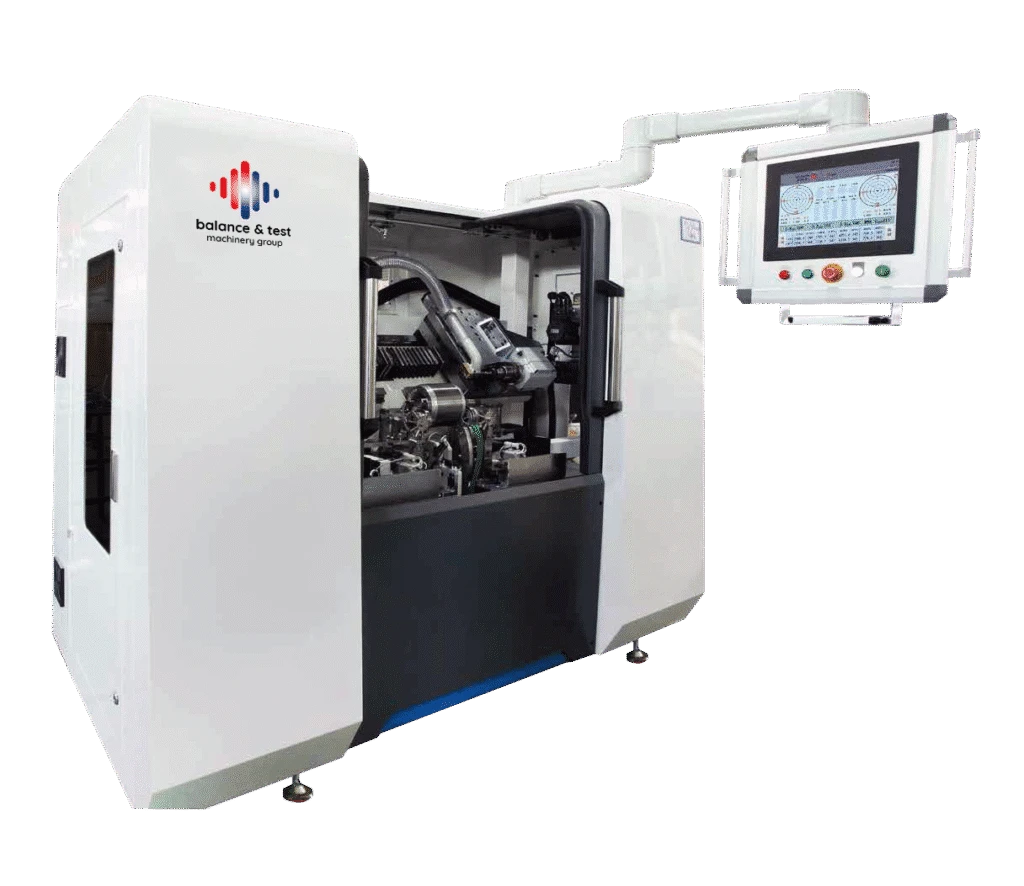
At Balance and Test we combine 30 years of balancing expertise into every machine that we produce. We have a complete portfolio of standard machines that can be modified and adjusted to meet customer’s exact requirements.

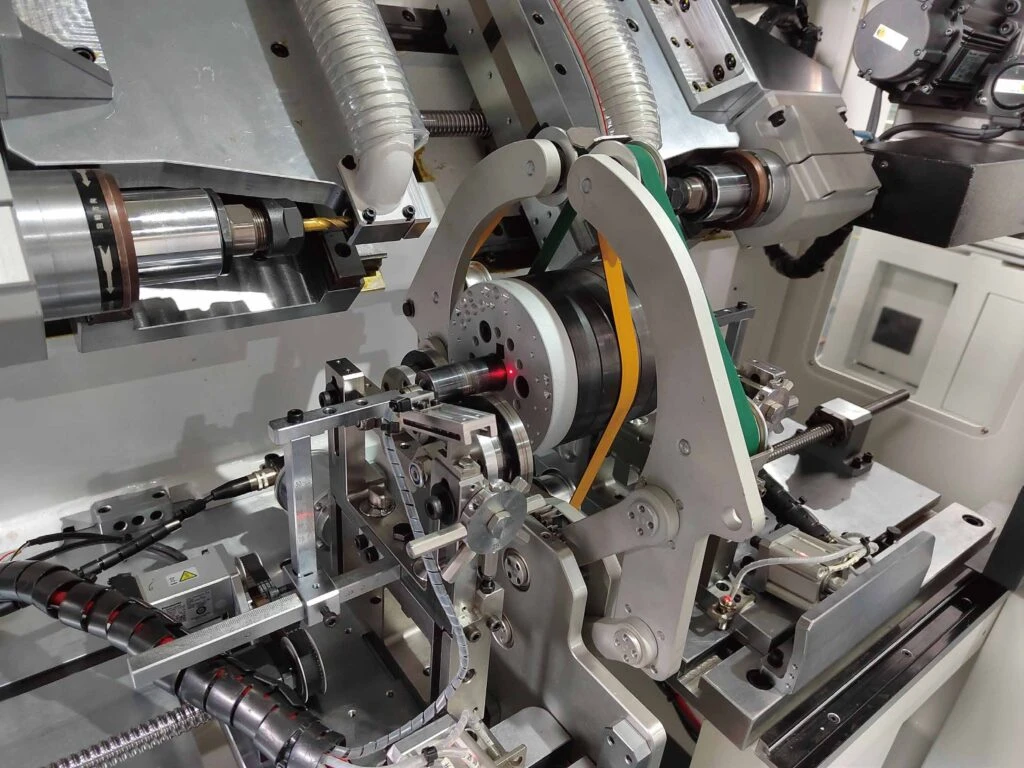
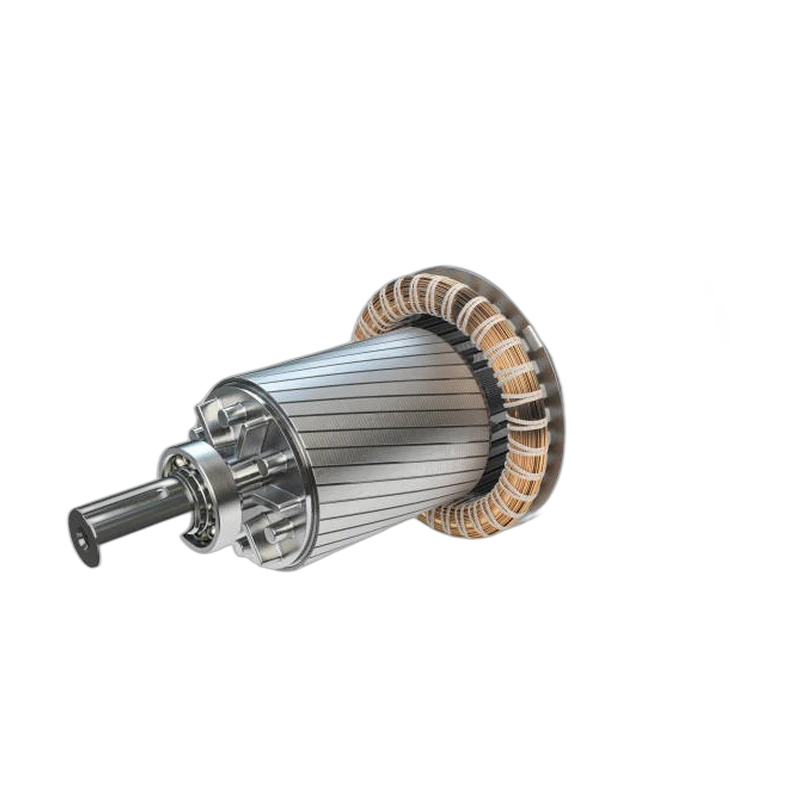
Electric Motor Balancing Machine

Search By Application

Electric Balancing Machine

Search By Machine Type

FAQ

How do I choose the correct balancing machine for my application?
Choosing the correct balancing machine depends on several factors: the type of rotor, how it’s held, the correction method, and the volume and variety of parts you need to balance.
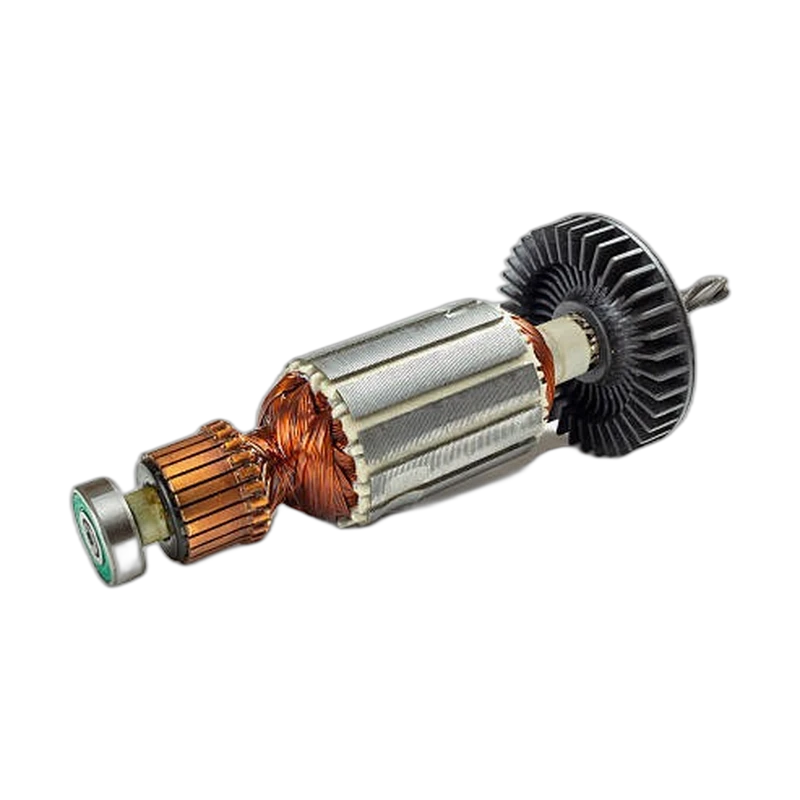
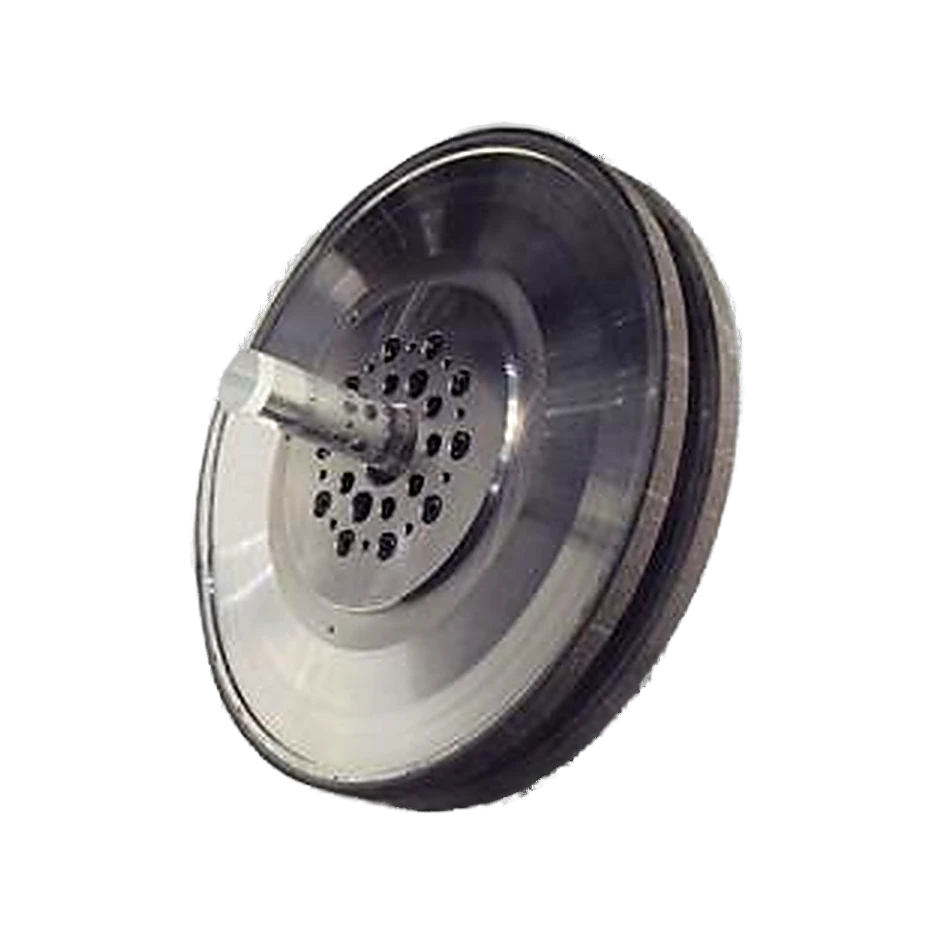
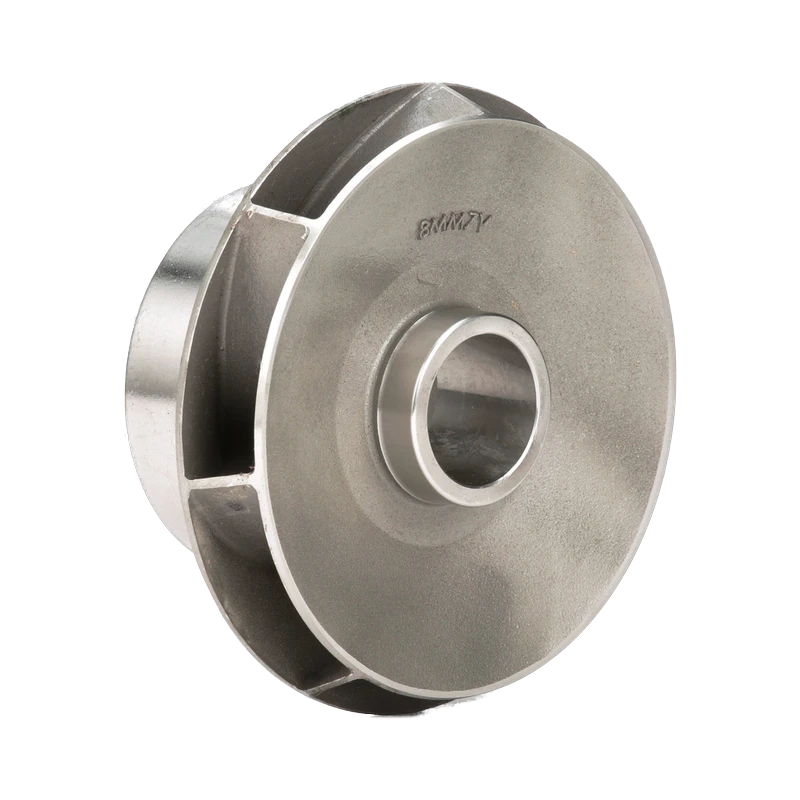
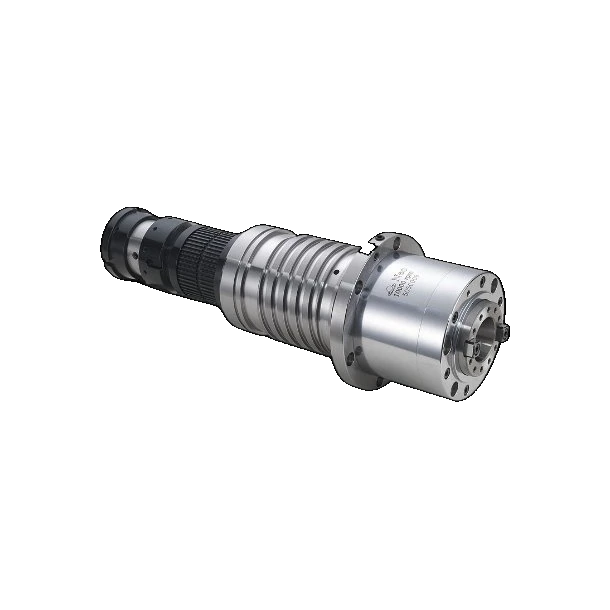
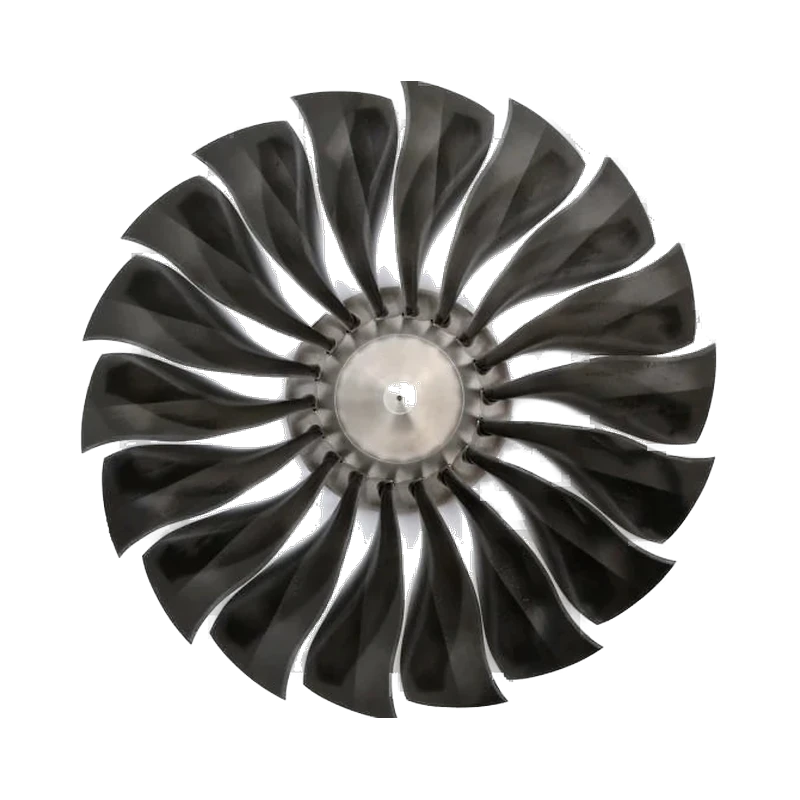
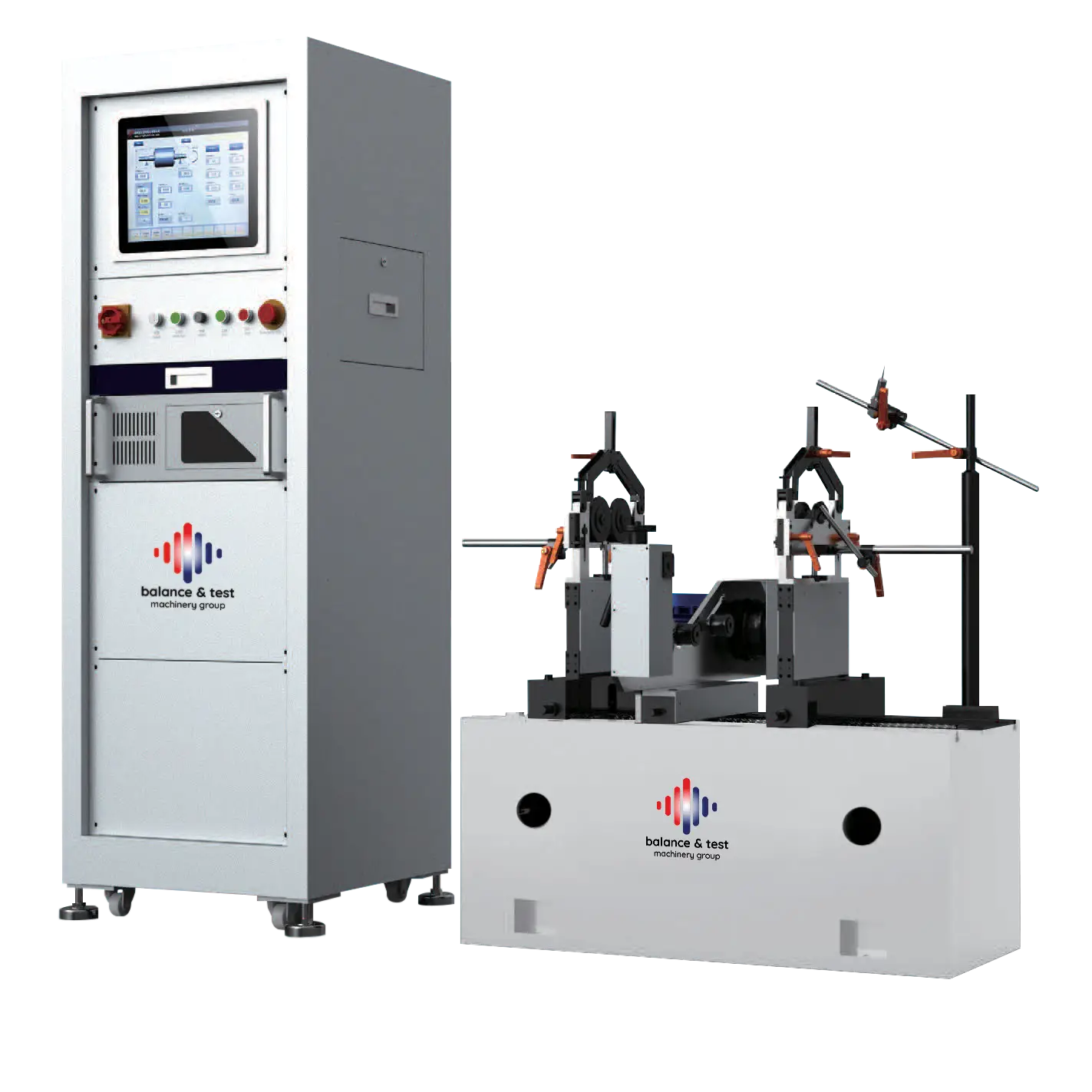
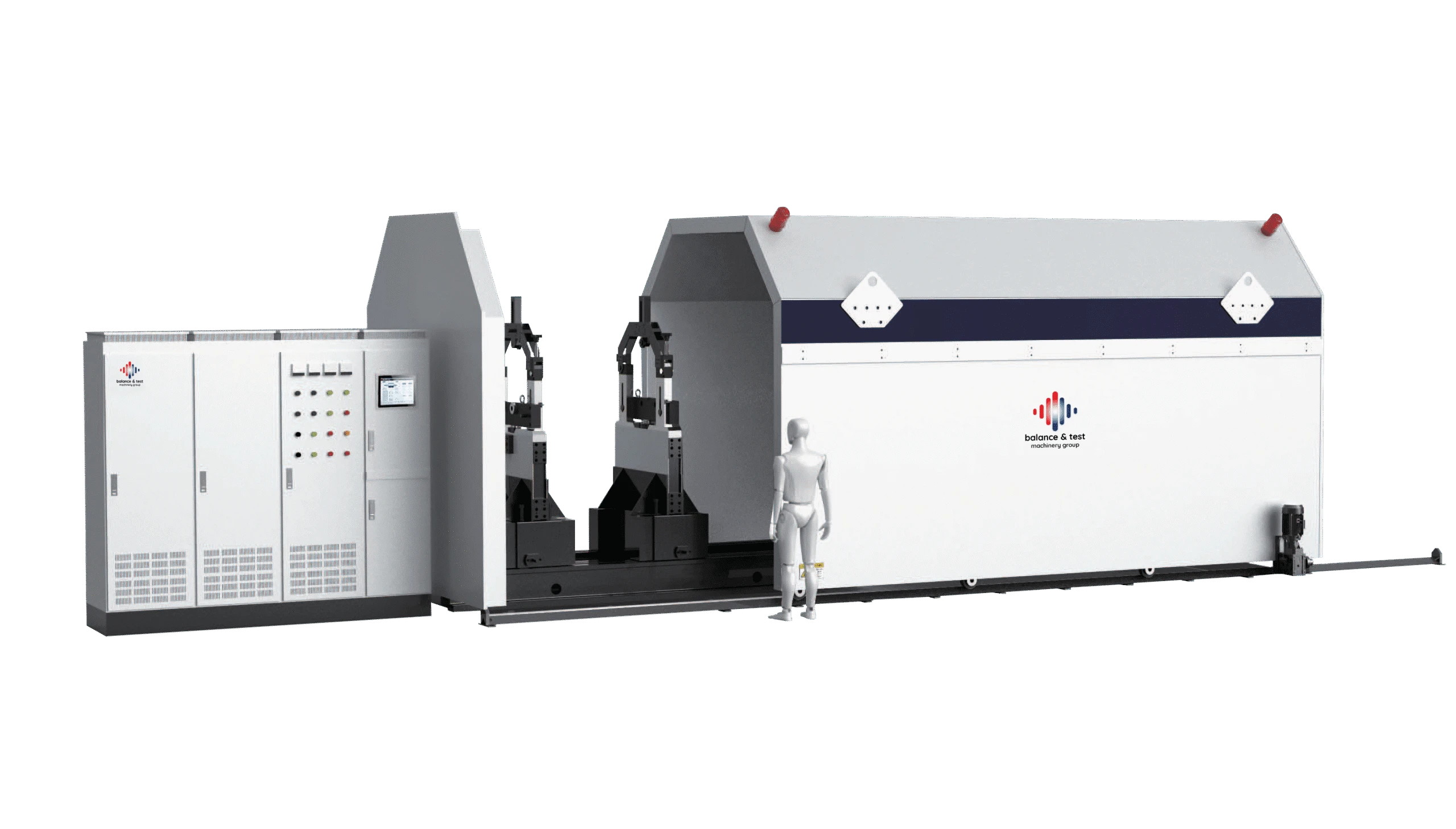
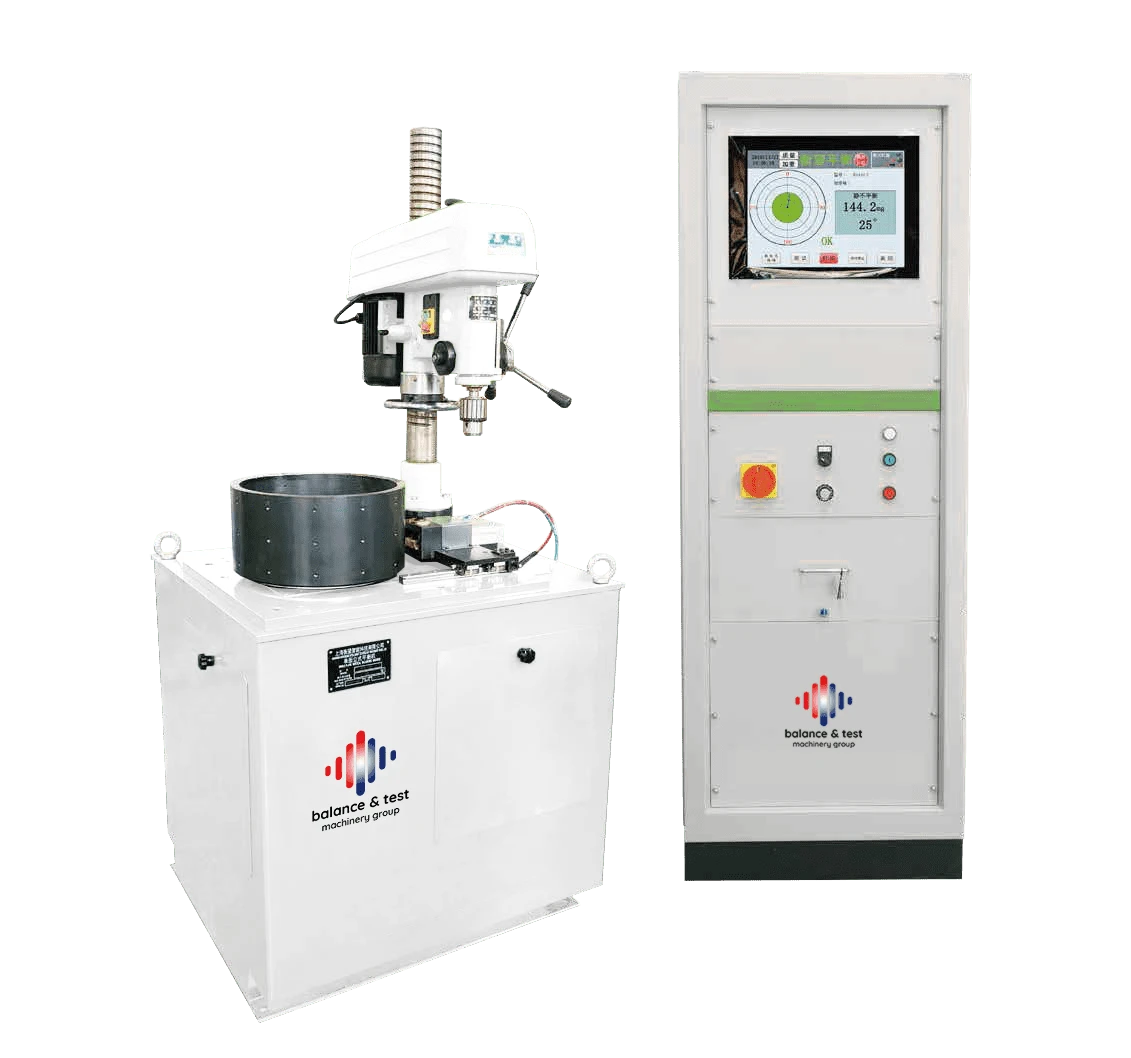
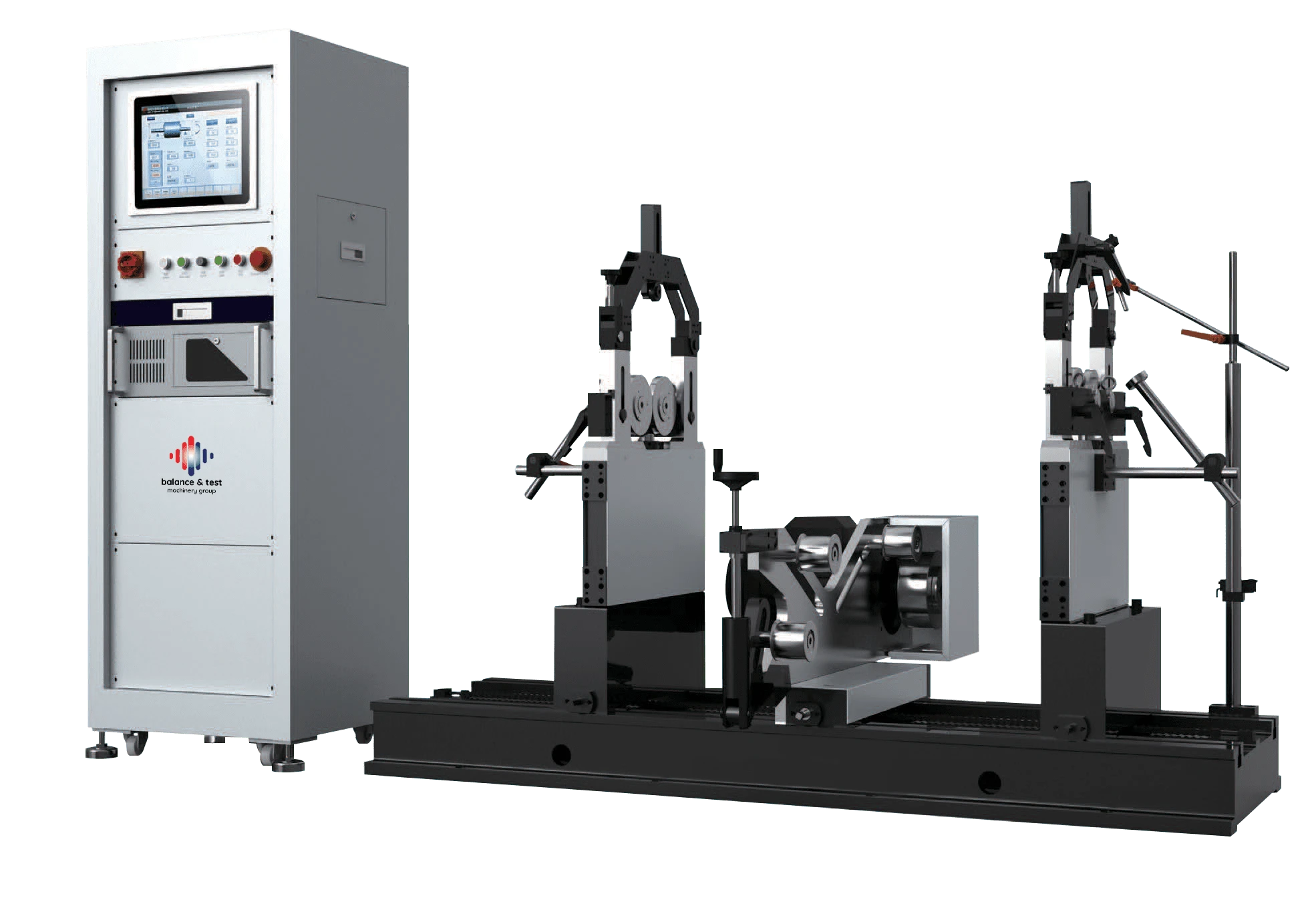
If your rotor has two outboard journals, such as a grinding spindle or motor armature, it will typically go into a horizontal balancing machine where the journals sit directly on the rollers. If you have a disc-type rotor with a bore, such as a grinding wheel or pump impeller, that will typically go onto a vertical balancing machine. Some rotors, like transmission components with planetary gears on a shaft, may have journals but still suit a vertical machine with a specialist dual-gripping diaphragm chuck.
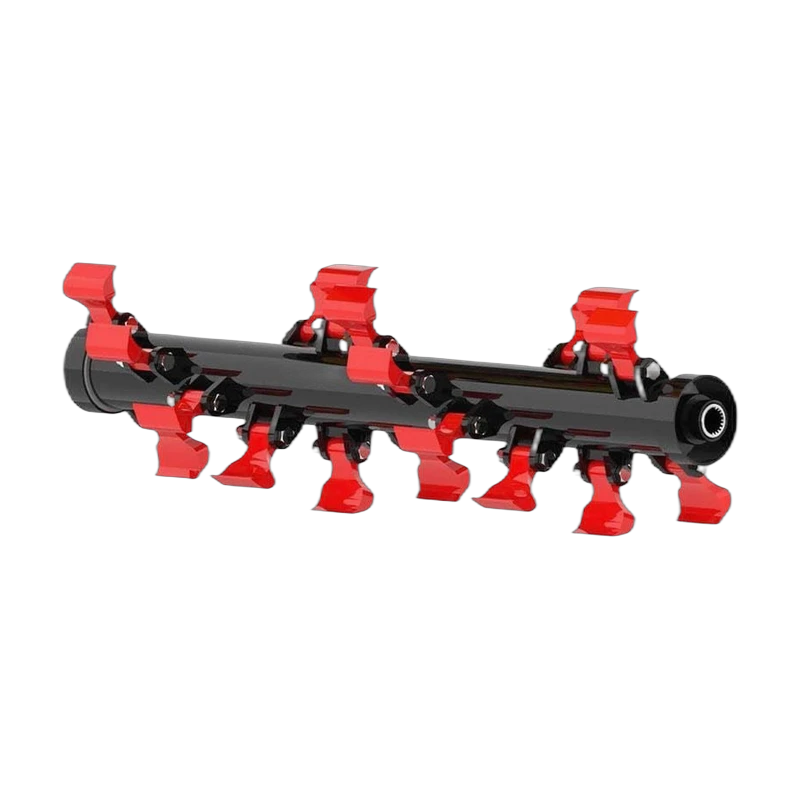
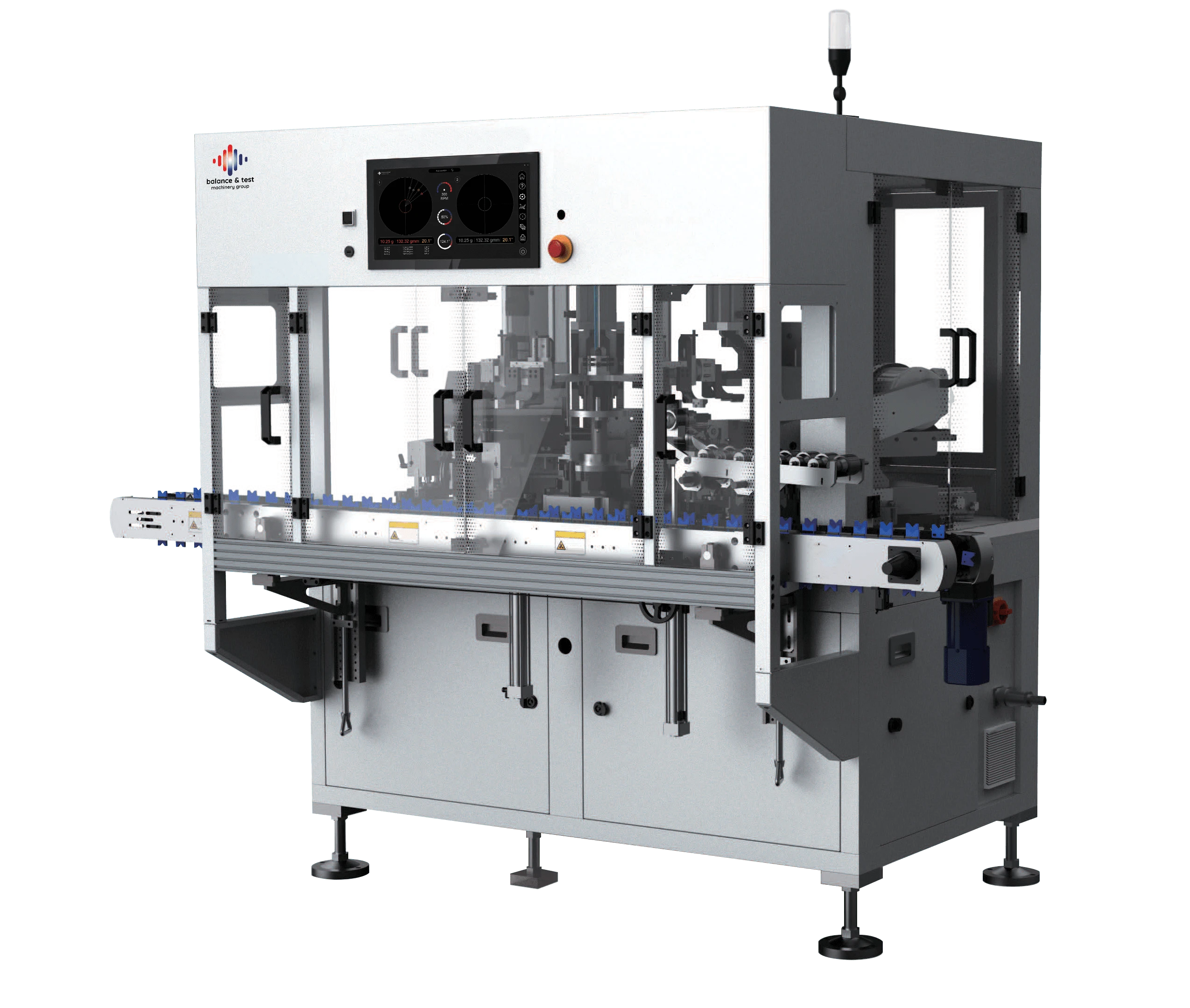
Horizontal balancing machines are also known as universal balancing machines because you can balance virtually any component on them. The trade-off is that vertical machines are often better suited to higher volumes and automated correction. If you’re a jobbing shop seeing a wide variety of components (agricultural flails, pumps, motors), a horizontal machine gives you the flexibility to handle them all. If you’re running higher volumes of a specific disc-type part and need integrated drilling or milling, a vertical machine is often the better choice.
The correction method matters too. A grinding wheel that needs to be balanced in a double-overhung position may suit a horizontal spindle machine to get the right height for grinding, but it could equally go on a vertical machine if the process is automated.
At the top level, balancing machines fall into two categories: horizontal and vertical, depending on whether you’re balancing in the horizontal or vertical axis.
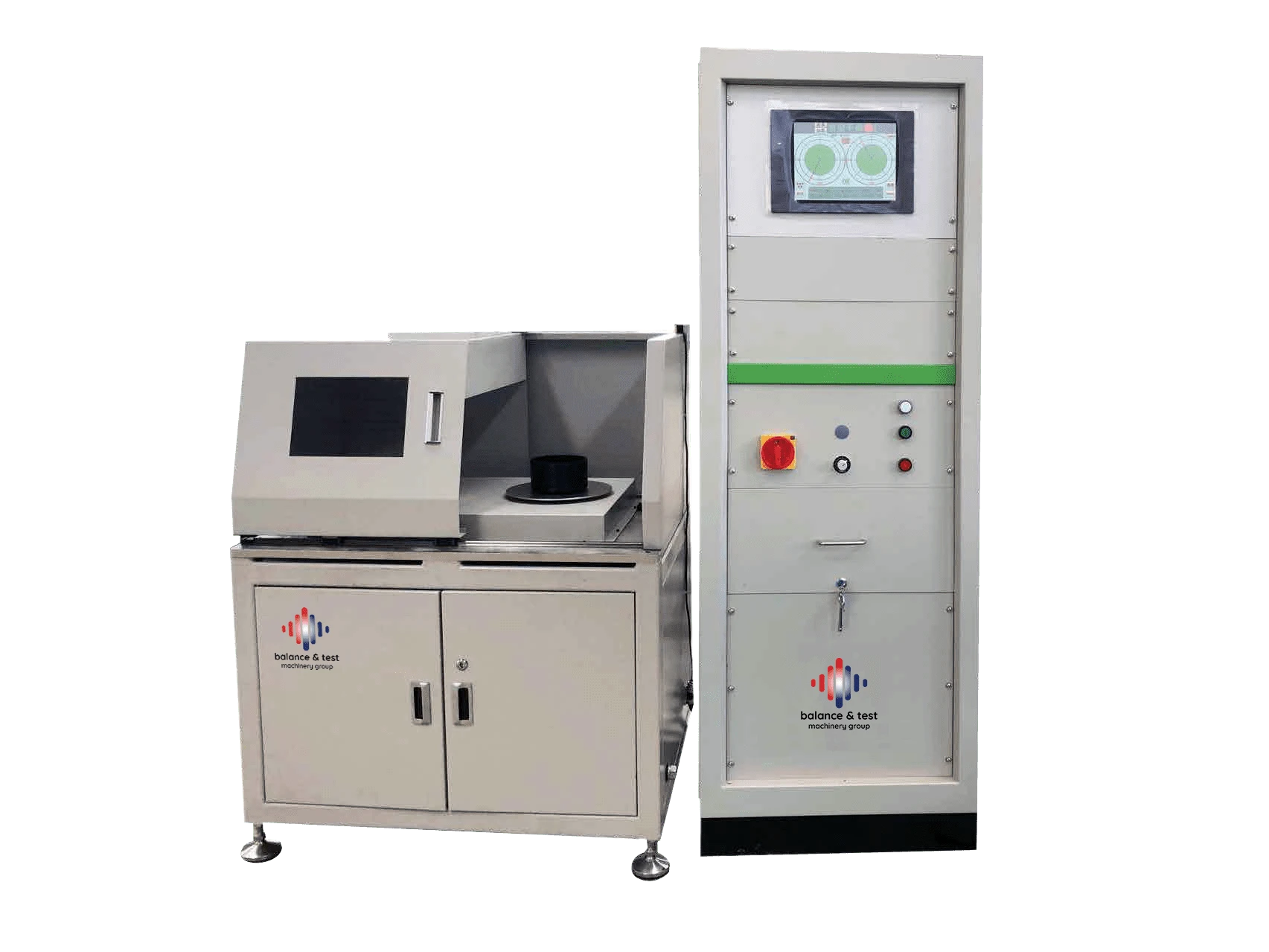
Vertical balancing machines come in two types: rotating and non-rotating. A rotating vertical machine spins the part to sense vibration in the suspension, which is how the unbalance is determined. A non-rotating vertical machine works like a sensitive set of scales, allowing the rotor to tilt. The tilt represents the unbalance in the rotor, and that’s how the measurement is taken.
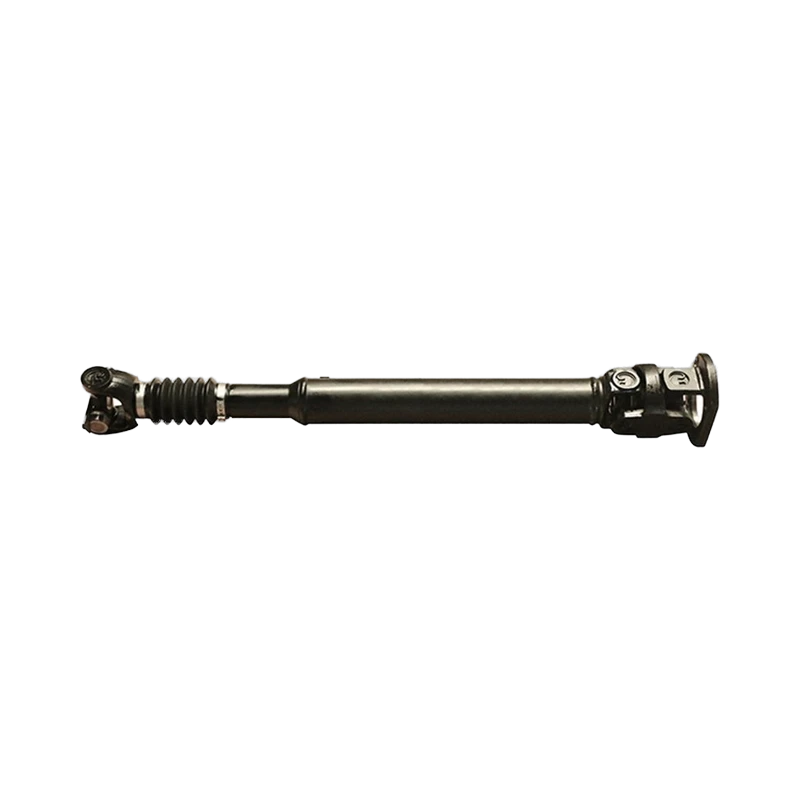
Horizontal balancing machines include universal machines, which can handle a wide range of components, and more rotor-specific machines such as prop shaft balancing machines. There are also horizontal spindle machines, which balance in the horizontal axis but internally look very similar to a vertical machine turned on its side.
You’ll also see the terms static and dynamic used to describe balancing machines. From an unbalance perspective, static unbalance exists without needing to rotate the rotor, while dynamic unbalance requires rotation because you need to detect unbalance in two or more planes. Both vertical and horizontal machines can measure in a single plane (statically) or in two planes. Some vertical machines are only configured to measure in one plane, and a single-plane vertical machine can be either a non-rotating (static) machine or a rotating machine.
The difference comes down to the natural frequency of the machine’s suspension relative to the running speed of the part. On a soft bearing (or soft suspension) machine, the natural frequency of the suspension is lower than the running speed. On a hard bearing machine, the natural frequency is higher than the running speed.


Older soft suspension machines were visibly soft: you could physically see the roller cradles move as a result of the unbalance. Modern soft suspension machines look much more like hard bearing machines, and you won’t necessarily see the suspension move. These modern designs are often referred to as SARS, which stands for Soft at Running Speed suspension.


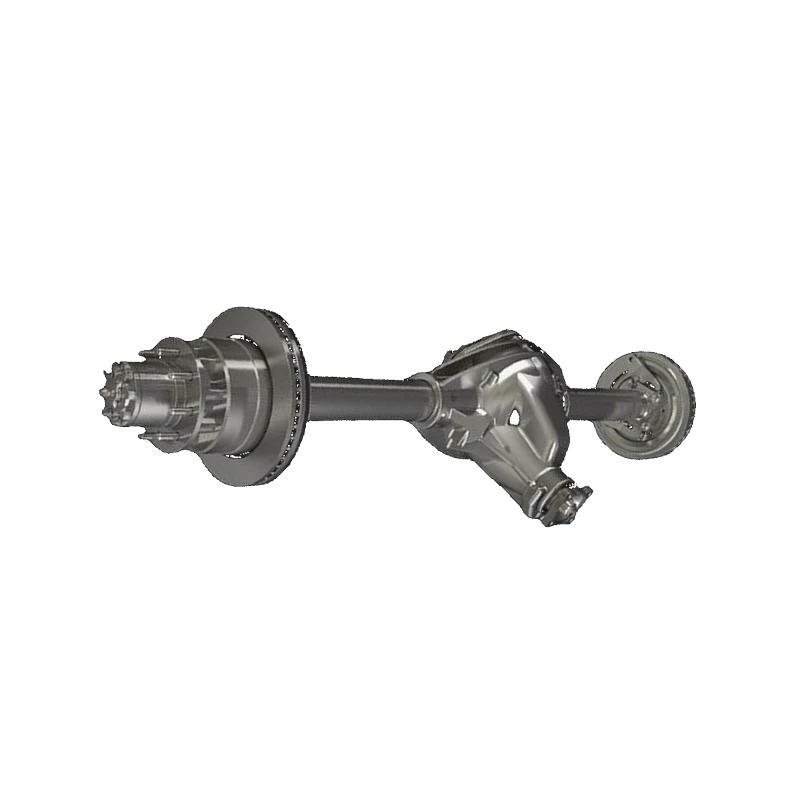
Most of our balancing machines are hard suspension. Prop shaft and axle balancing machines are typically soft suspension.
The clue is in the name. A universal balancing machine is designed to handle the widest possible range of rotors on a single platform. Whether you’re balancing long shaft-type rotors or compact disc-type components, in one plane or two, a universal machine can be configured to suit. It’s the most versatile type of balancing machine available, which is why it’s the go-to choice for workshops and manufacturers that need to cover a broad mix of applications.

Ready to Balance Better?

Get in touch with us today to learn more about our machines. We’re here to help you achieve your goals.

Need more assistance?